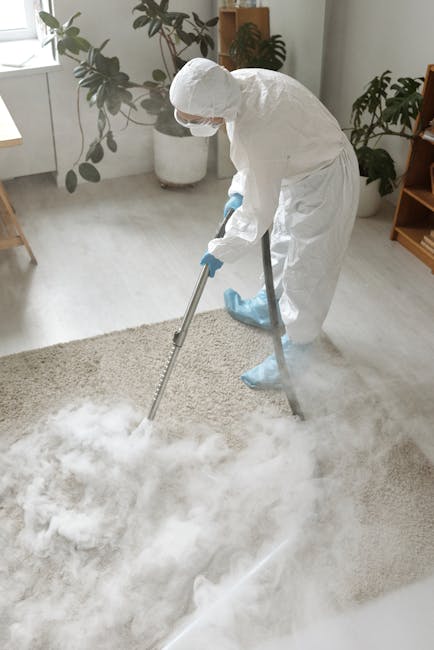
What to know about emergency carpet cleaning in Finsbury Park
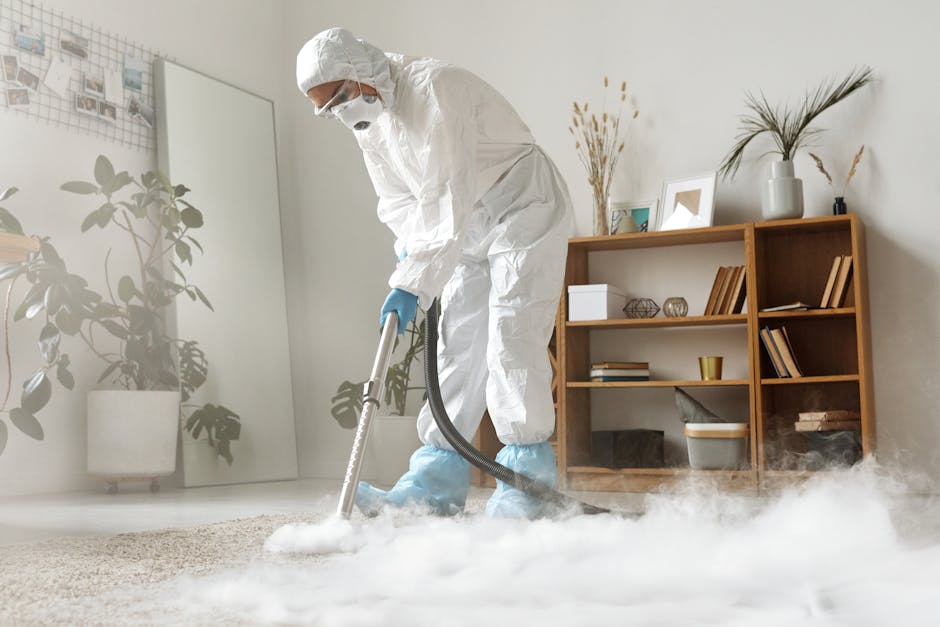
If a drink has tipped over, a pet has had an accident, or muddy water has spread across the lounge floor, you do not want to spend the next hour wondering what to do. What to know about emergency carpet cleaning in Finsbury Park comes down to acting quickly, avoiding a few common mistakes, and understanding what a professional clean can and cannot fix. In a busy North London home, flat, or office, speed matters. So does calm, sensible action.
This guide walks you through the real-world details: how urgent carpet cleaning usually works, who needs it, what to expect, where the risks are, and how to choose the right service without turning a bad day into a worse one. Let's face it, carpet disasters rarely arrive at a convenient time.
Why emergency carpet cleaning matters
Emergency carpet cleaning is not just about appearances. A fast response can reduce staining, limit odours, protect the backing of the carpet, and stop moisture from reaching the underlay. In some homes, especially older properties or flats where ventilation is a bit limited, a spill left overnight can become a much bigger job than it needed to be.
In Finsbury Park, that matters because everyday life is busy and varied. You may be dealing with family traffic, rented accommodation, pets, shared hallways, or a work-from-home setup where the carpet doubles as a living space and a meeting room. One spill can feel small in the moment. Then the smell appears. Then the stain sets. Then you are trying to air the room out with a window cracked open and a slightly worried look on your face.
The point of emergency cleaning is simple: intervene before the damage settles in. That does not always mean deep-cleaning the entire carpet immediately. Sometimes it means stain containment first, followed by a more careful treatment. A good cleaner will judge that on the spot rather than over-treating the area.
Expert summary: the sooner a carpet is treated after a spill or accident, the better the odds of saving the fibres, reducing odour, and avoiding permanent marks. Quick action beats panic every time.
If you are looking for a broader overview of routine maintenance and stain care, the main carpet cleaning service page is a useful place to understand what standard treatment usually covers alongside urgent callouts.
How emergency carpet cleaning works
Emergency carpet cleaning is usually a rapid-response version of normal carpet care. The main difference is timing and triage. Rather than waiting for a scheduled visit several days away, the cleaner focuses on the immediate issue first: the type of spill, the fibre, the size of the affected area, and whether moisture has travelled deeper than the surface.
Here is how it often works in practice:
- Initial assessment - The cleaner asks what happened, when it happened, and what product or liquid was involved.
- Risk check - They judge whether the stain is likely to spread, set, smell, or damage the pile if left too long.
- Spot treatment - The surface is treated with the right cleaning approach for that stain type and fibre.
- Extraction or rinsing - If appropriate, moisture and loosened residue are removed carefully.
- Drying advice - You are told how to ventilate the room and what to avoid while the carpet dries.
- Follow-up step - For some stains, a second visit or later deep clean may be the sensible next move.
This is where experience matters. A red wine spill on a light wool carpet is not the same as a muddy footprint trail on synthetic fibres. Nor is a pet accident handled the same way as an ink mark or a greasy food stain. The cleaner should adapt the method, not just reach for one universal solution. If they sound like they have a magic spray for everything, be a bit cautious. Carpets are not that simple, annoyingly.
If you also need help with other immediate household issues, a reliable cleaning company can sometimes coordinate emergency carpet work alongside broader property cleaning, which is useful after a party, a leak, or a last-minute tenancy problem.
Key benefits and practical advantages
The biggest benefit is damage control, but there are several more that are easy to overlook until you need them.
- Stain reduction: the earlier treatment starts, the less likely a spill is to become permanent.
- Odour control: organic spills, pet accidents, and damp can leave lingering smells if left untreated.
- Moisture management: quick extraction helps protect underlay and nearby flooring.
- Better hygiene: emergency cleaning can remove contaminants before they spread through the room.
- Time savings: you avoid endless scrubbing, blotting, and guessing.
- Property protection: especially helpful in rented homes and managed buildings where condition matters.
There is also a quieter benefit: peace of mind. Once the mess has been assessed by someone who knows what they are doing, the whole situation feels more manageable. That sounds small, but in a stressful moment it really is not.
For households, emergency cleaning can help prevent a stain from becoming a long-term eye sore. For landlords and tenants, it may help keep the property presentable between inspections or at the end of a tenancy. For offices, it keeps the place looking professional, which matters more than people admit.
Who this is for and when it makes sense
Emergency carpet cleaning makes sense for anyone dealing with a fresh or fast-moving carpet issue, but some situations benefit more than others.
- Families with children: juice spills, food accidents, mud, and occasional chaos. Normal, really.
- Pet owners: urine, vomit, tracked dirt, and lingering smell are common reasons to act quickly.
- Renters and landlords: urgent action can protect deposit-related condition issues and reduce avoidable wear.
- Homeowners: useful when you want to preserve carpets rather than replace them prematurely.
- Offices and commercial spaces: a visible stain in reception or a meeting room can affect first impressions.
- Post-event situations: after parties, gatherings, or house viewings where drinks and shoes have done their worst.
It also makes sense when a carpet has been exposed to water from a leak, a spill near skirting boards, or anything that might soak beneath the visible surface. The top layer may look okay, but the problem can be sitting underneath. That hidden moisture is where trouble tends to start.
If the issue is part of a larger one-off tidy-up, you might also find one-off cleaning helpful, especially when the carpet problem is just one part of a broader clean after guests, builders, or a particularly frantic week.
Step-by-step guidance
If you are dealing with an emergency right now, keep it simple. Do the right things in the right order. No heroics.
- Act immediately. The first few minutes matter most. Blot, do not scrub, if the spill is still wet.
- Remove loose debris. Pick up solids carefully before they get pushed deeper into the fibres.
- Contain the area. Keep foot traffic off the carpet if you can.
- Check what was spilled. Water, tea, coffee, wine, food, pet mess, bleach, paint, and mud all need different handling.
- Avoid soaking it. Too much water can push the stain down into the underlay.
- Call for help if the issue is serious. The longer it sits, the harder it becomes.
- Improve ventilation. Open windows where possible and use airflow, but do not blast hot air onto delicate fibres.
- Follow aftercare advice. A clean that is rushed after treatment can undo the work.
A small but important clarification: blotting means gentle pressure with a clean cloth or paper towel. It does not mean rubbing until your arm aches. Rubbing spreads the stain and roughs up the fibres. If you have ever made a tiny spill into a much larger one, you already know how that goes.
If the carpet is part of a larger upholstered area, or the accident also reached a sofa or chair, it may be sensible to consider upholstery cleaning alongside the carpet treatment so the problem is dealt with consistently rather than piecemeal.
Expert tips for better results
In our experience, the best results come from the boring stuff done well. Not glamorous, but effective.
1. Know your fibre if you can
Synthetic carpets tend to handle more straightforward spot treatment than delicate natural fibres, but even that is not a free pass. Wool, for example, is durable in many settings, yet it can react badly to harsh chemicals or over-wetting. If you are unsure, say so. A good cleaner would rather hear that than guess.
2. Keep a note of what caused the stain
Was it coffee with milk? Red wine? Pet urine? Paint? The exact source changes the response. It sounds fussy, but it helps the cleaner choose the right method and avoid setting the stain with the wrong product.
3. Use airflow, not panic-drying
Open windows if the weather allows. Use fans sensibly. Avoid applying direct heat unless you know the carpet can take it. A quick dry is good; a damaged pile from too much heat is not.
4. Don't keep testing random products
People do this a lot. One spray, then another, then a bit of washing-up liquid, then something from the cupboard with a label that seems hopeful. The carpet is now confused, and sometimes stained in three colours. Less is more.
5. Ask for a realistic outcome
Not every stain disappears completely. Some marks fade dramatically; others improve but do not vanish. That is normal, and honest advice is better than overpromising.
If you want to understand how professional cleaners prepare for a visit and handle access or safety concerns, it is worth reading the company's insurance and safety information and its health and safety policy. Those pages help set expectations before anyone steps through the door.
Common mistakes to avoid
Most carpet emergencies become harder because of a few avoidable moves. Not always, but often enough.
- Scrubbing aggressively: this can spread the stain and damage the fibres.
- Using too much water: more water does not mean more clean.
- Ignoring drying time: damp carpets can smell musty if left too long.
- Applying bleach or strong chemicals: these can discolour fibres fast.
- Waiting until the next day: some stains become far tougher overnight.
- Walking on the area too soon: you can press residue deeper into the pile.
- Assuming all stains are equal: they are not, and that is where the trouble starts.
There is one more mistake people make in flats and shared buildings: they forget about ventilation and neighbouring spaces. A damp carpet in a room with poor airflow can affect the whole flat. Windows open a little earlier than you think. Simple, but useful.
Tools, resources and recommendations
You do not need a van full of gadgets to manage the first few minutes of an emergency, but a few basic items help.
- Clean white cloths or paper towels
- A small bowl of plain lukewarm water for gentle blotting, if appropriate
- Disposable gloves for unpleasant spills
- A fan or airflow source
- Good lighting so you can see what is actually happening
For a professional clean, the tools may include hot water extraction equipment, low-moisture systems, spot treatments, and fibre-safe solutions chosen for the stain type. The important thing is not the machine itself. It is whether the method suits the carpet.
If the carpet issue happened after renovation or dust-heavy work, it may connect with the type of finish seen in after builders cleaning. That can be useful where fine dust, plaster residue, or trade traffic has added extra mess on top of the spill.
And if you are trying to keep the whole home or workplace in good order after an emergency, broader services such as deep cleaning, domestic cleaning, or office cleaning may be worth considering after the urgent issue has been dealt with. Not as a distraction, just as part of a sensible cleanup plan.
Law, compliance, standards, or best practice
For carpet cleaning, there is usually no dramatic legal drama in the background, but there are still sensible standards to follow. In the UK, professional cleaners are generally expected to work safely, use suitable products responsibly, and avoid creating hazards for occupants, staff, or visitors. That includes proper ventilation, clear communication about drying times, and care around slip risks.
In rented homes, tenants and landlords should also be aware that fast action is better than delay when something is spilled. Not because every stain becomes a legal issue, but because property condition matters and small problems can become harder to resolve if ignored. If a carpet has been damaged by a leak, fire-related residue, or contaminated water, the situation can move beyond routine cleaning and into specialist assessment.
Insurance matters too. A reputable provider should be able to explain how they handle accidental damage, access concerns, and safety in occupied properties. For that reason, it is sensible to review the service's terms and conditions and payment and security details before booking. Clear terms are a good sign. Vague ones are not exactly comforting.
Where disposal or waste is involved, especially after a heavy contamination incident, sensible recycling and disposal practices matter too. The company's recycling and sustainability approach can give you a better sense of how they think about waste and environmental care.
Options, methods, or comparison table
Not every emergency needs the same level of intervention. Here is a simple comparison that helps frame the choice.
| Approach | Best for | Strengths | Limitations |
|---|---|---|---|
| DIY blotting and airflow | Fresh, minor spills on a small area | Fast, cheap, immediate | Limited effect on set stains or odours |
| Targeted spot treatment | Fresh but noticeable stains | Focused, efficient, often enough on its own | Needs the right product and technique |
| Emergency professional clean | Pet accidents, large spills, deep moisture, fast-setting stains | Better chance of saving the carpet, safer method choice | Costs more than DIY, may need drying time |
| Full carpet deep clean | Recurring dirt, lingering odours, broader wear | More comprehensive restoration | Not always necessary for a single incident |
In plain English: if it is a small fresh spill, you may manage the first stage yourself. If it is smelly, soaked, spreading, or something that could damage fibres, get help sooner rather than later. That is the practical dividing line most of the time.
Case study or real-world example
A common Finsbury Park scenario goes something like this. A renter has friends over on a Friday evening, someone knocks over a glass of red wine, and by the time the music stops the stain has spread a little beyond the original patch. The room is warm, the windows are shut, and everyone has that awkward "shall we pretend this did not happen?" look.
They blot the area, but after a few minutes they notice the carpet feels damp deeper down, and the smell starts to hang around. In that moment, the sensible move is not more scrubbing. It is stopping, documenting what happened, and getting a professional opinion quickly. The cleaner can treat the affected fibres, manage the moisture, and advise whether a second pass is needed after drying.
What usually makes the difference in a case like this is timing. A stain caught quickly may lighten dramatically. The same spill left until the following morning can settle into the pile and underlay, which is where the real headaches begin. Bit annoying, yes. But very fixable more often than not.
If the same property also needs a broader tidy-up after guests or a move, end of tenancy cleaning can be the sensible follow-on service. It is not a magic wand, just a tidy way to deal with the wider clean once the emergency is under control.
Practical checklist
Use this quick checklist when you are facing an urgent carpet problem.
- Identify what was spilled or what caused the damage.
- Blot gently with a clean cloth.
- Keep people and pets off the area.
- Do not scrub or flood the carpet.
- Improve ventilation if you can.
- Take note of fibre type if known.
- Call a professional if the stain is large, smelly, or soaking through.
- Ask what drying time to expect.
- Follow the aftercare advice carefully.
- Check whether nearby upholstery, rugs, or other surfaces need attention too.
If the incident also affects a separate rug, it can make sense to review rug cleaning as part of the same plan. Small detail, but it helps avoid fixing one surface while another still carries the same stain or smell.
Conclusion
Emergency carpet cleaning in Finsbury Park is really about speed, judgement, and avoiding unnecessary damage. The sooner you deal with the issue, the more likely you are to save the carpet, reduce odours, and keep the room comfortable. What to know about emergency carpet cleaning in Finsbury Park is not complicated once you strip away the panic: blot first, do not over-wet, call for help when needed, and choose a method that suits the stain rather than forcing one approach onto every problem.
Whether the issue is a pet accident, a drink spill, muddy footprints, or a leak, the practical goal is the same: stop the stain becoming a long-term problem. That is the real win. And honestly, it can feel very good to see a carpet come back from the brink.
Get a free quote today and see how much you can save.
If you want to learn more about the people behind the service, you can also visit the about us page or review the contact details when you are ready to ask a few questions. Sometimes a short conversation clears up more than an hour of guesswork.
Frequently Asked Questions
How quickly should I act after a carpet spill?
As quickly as possible. The first few minutes matter most because stains can set, spread, or sink deeper into the carpet if left alone. Even if you cannot get a professional immediately, gentle blotting and keeping the area isolated can make a real difference.
Can emergency carpet cleaning remove all stains?
Not always. Some stains lift very well, others improve but remain faintly visible. That depends on the stain type, how long it has been there, the carpet fibre, and whether any heat or rubbing has already set it. Honest advice is better than overpromising.
Is emergency carpet cleaning different from regular carpet cleaning?
Yes. Emergency cleaning is more about immediate response and stain control, while regular cleaning is usually scheduled maintenance or a planned deep clean. Emergency work often focuses on one urgent area first.
What should I do before the cleaner arrives?
Keep traffic away from the area, blot gently if the spill is fresh, avoid adding more water or products, and make a note of what caused the problem. If safe to do so, open a window for airflow. Then wait for the cleaner's advice.
Will carpet cleaning make the room smell damp?
It can if too much moisture is used or if the room has poor ventilation. A professional should aim to control moisture carefully and give drying instructions. Good airflow helps a lot, especially in flats and smaller rooms.
How do I know if I need a professional instead of DIY?
If the stain is large, smelly, greasy, contaminated, or has soaked through the carpet, a professional is the safer choice. DIY is fine for very small fresh spills, but some accidents need specialist treatment right away.
Can carpet cleaning help with pet accidents?
Yes, and pet accidents are one of the most common reasons people need urgent help. The key is not just removing the visible mark, but also dealing with odour and any contamination in the fibres or underlay.
What affects the cost of emergency carpet cleaning?
Usually the size of the affected area, how difficult the stain is, whether drying time or repeat treatment is needed, and how urgent the callout is. For a clearer idea, check the provider's pricing and quotes information before booking.
Is it safe to walk on the carpet after treatment?
Only when the cleaner says it is sensible. Walking on a still-damp carpet can flatten fibres and reintroduce dirt. If you must pass through, ask whether protective steps or temporary restrictions are needed.
What if the stain also affected a sofa, rug, or chair?
It is often best to deal with all affected fabric items in the same visit if possible. That keeps the results consistent and stops one item from still carrying the smell or residue while the carpet looks clean.
Do I need to prepare anything for the visit?
Move small items away from the affected area if you can do so safely, and make sure the cleaner has access to the room. If you live in shared accommodation or a managed building, a little advance notice helps too. Nothing fancy, just enough to let the work happen smoothly.
How can I reduce the chance of needing emergency cleaning again?
Use mats in high-traffic areas, act quickly on spills, avoid harsh DIY chemicals, and consider periodic maintenance cleaning for rooms that see a lot of footfall. Small habits save a lot of hassle later on. Bit unglamorous, but true.
Where can I learn about the company's policies and trust details?
You can review the company's terms and conditions, privacy policy, and complaints procedure for a clearer picture of how they handle customer care, data, and service standards.